
-
Building a Complete AI Testing Strategy
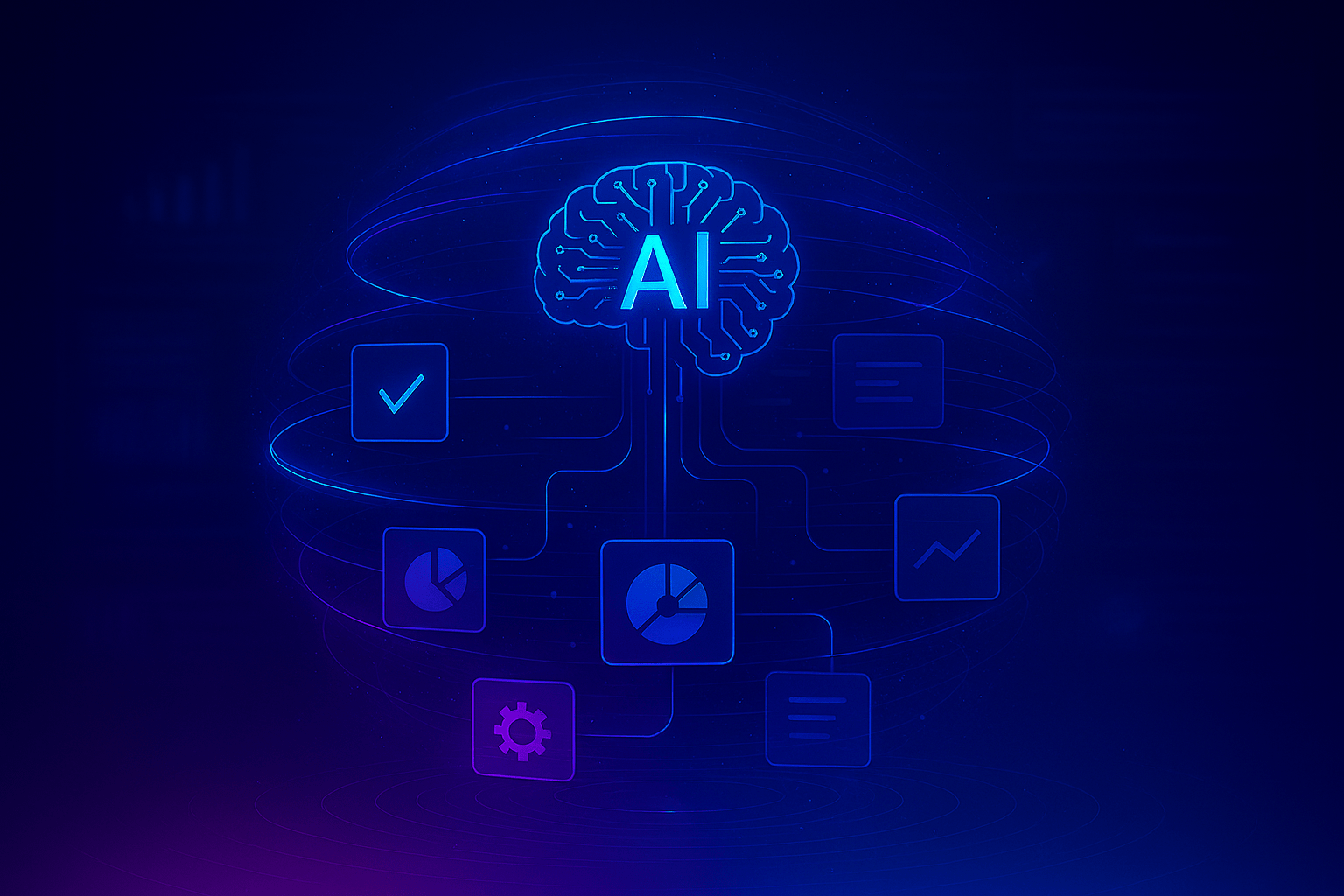
1. Introduction: AI Success Is Not About Building — It’s About Reliability AI is no longer experimental. It is becoming a core part of how organisations build products, make decisions, and interact with users. Today, teams can integrate AI capabilities faster than ever. Features that once took months to develop can now be implemented in…
-
AI Hallucinations — How to Test and Control Them
1. When AI Sounds Confident… But Is Completely Wrong One of the most surprising aspects of modern AI systems is not what they can do — but how confidently they can be wrong. You ask a question. The AI responds instantly. The answer sounds clear, structured, and convincing. But it’s incorrect. This phenomenon, commonly known as AI hallucination,…
-
Bias in AI — How to Detect and Prevent It
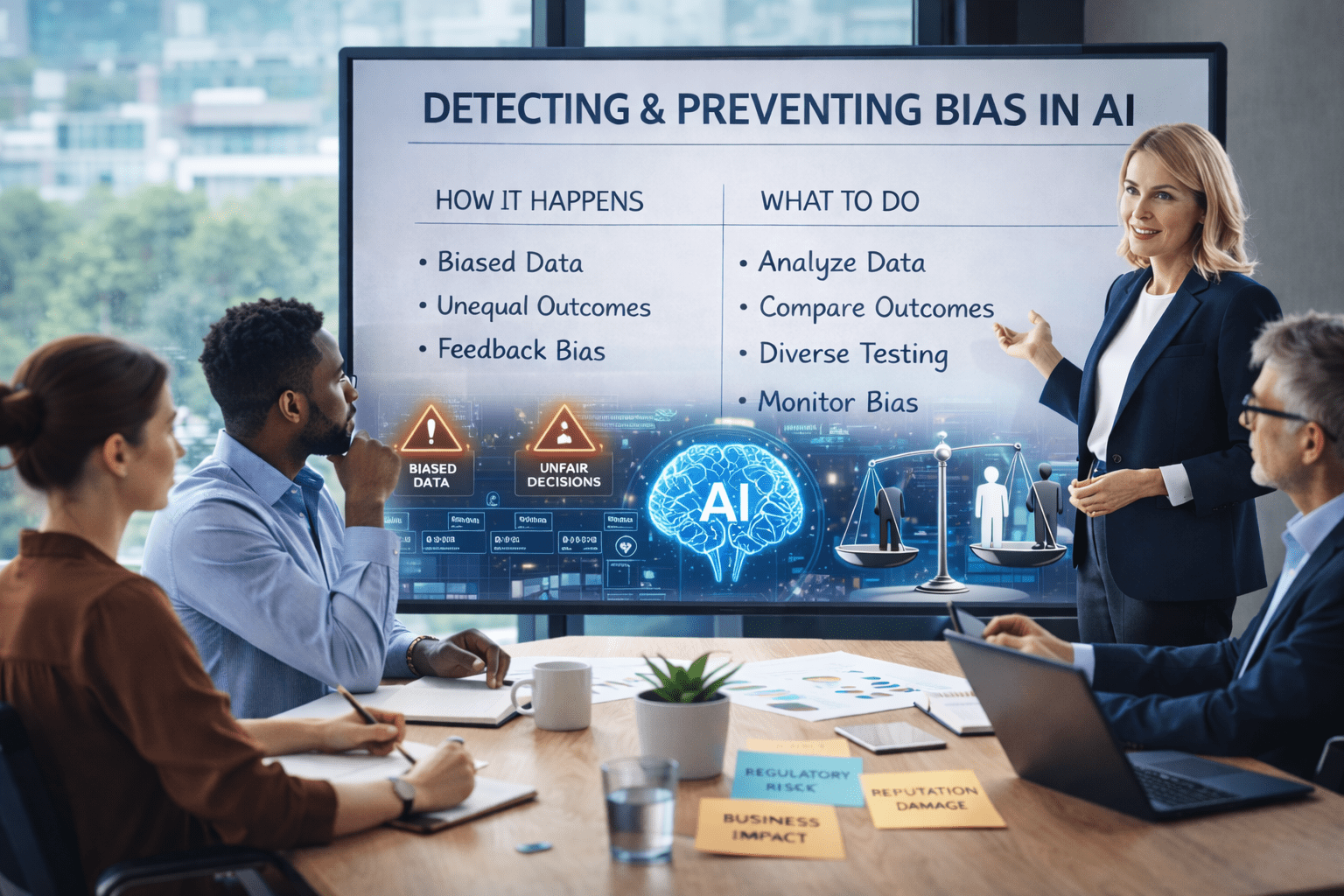
1. Introduction: The Risk You Don’t See Until It’s Too Late AI systems are often evaluated based on accuracy, speed, and performance. If the model delivers correct outputs most of the time, it is considered successful. But there is a critical question many organisations fail to ask: Is the AI system fair for all users?…
-
How to Test AI Systems for Security Vulnerabilities
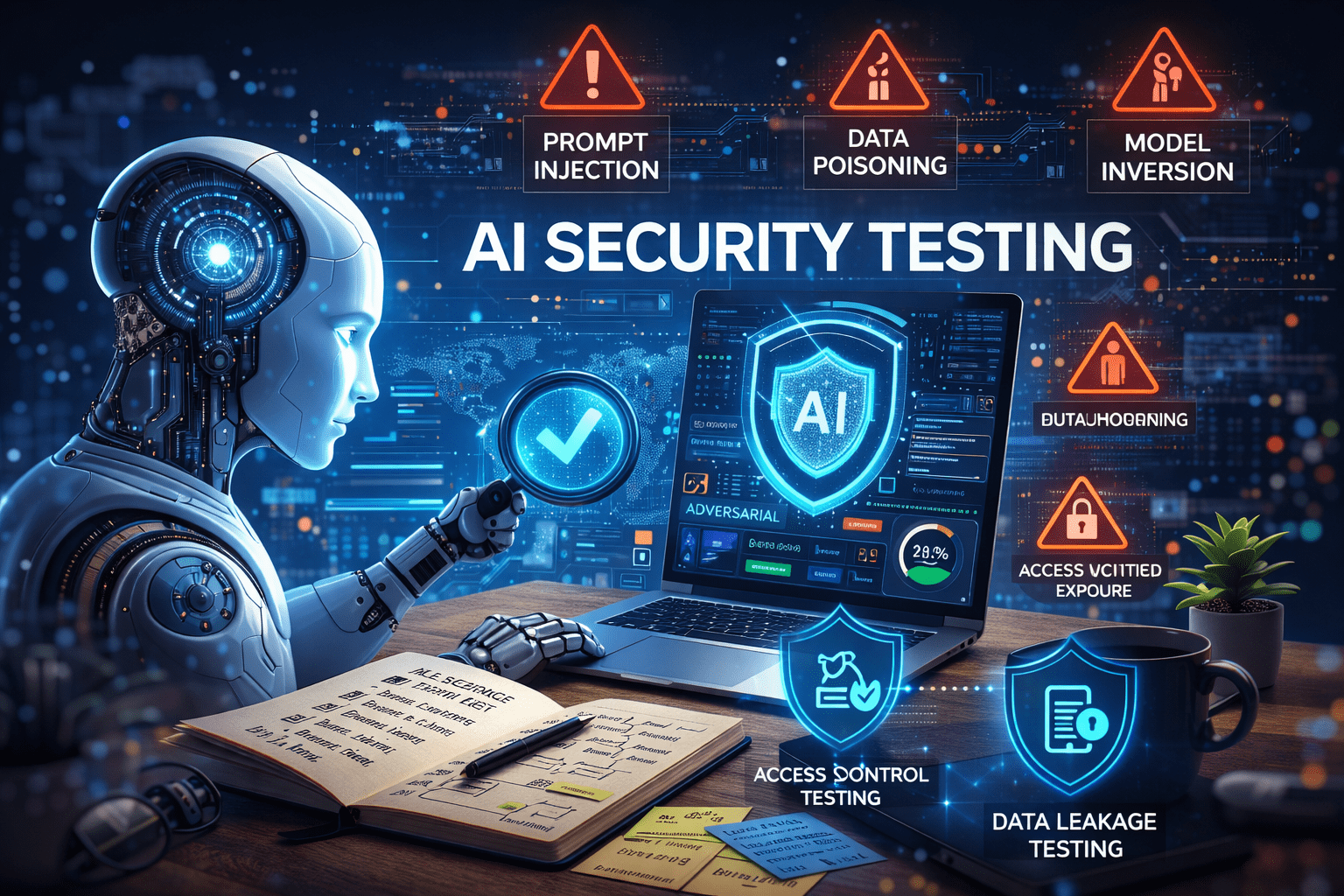
1.AI Can Be Hacked — Just Differently When organisations think about security, they usually focus on protecting systems from external attacks — securing APIs, strengthening authentication, and preventing unauthorized access. But AI changes this completely. AI systems are not just executed — they are interpreted. They respond dynamically to inputs, learn from data, and generate…
-
Why AI Features are a Risk Without Proper Testing
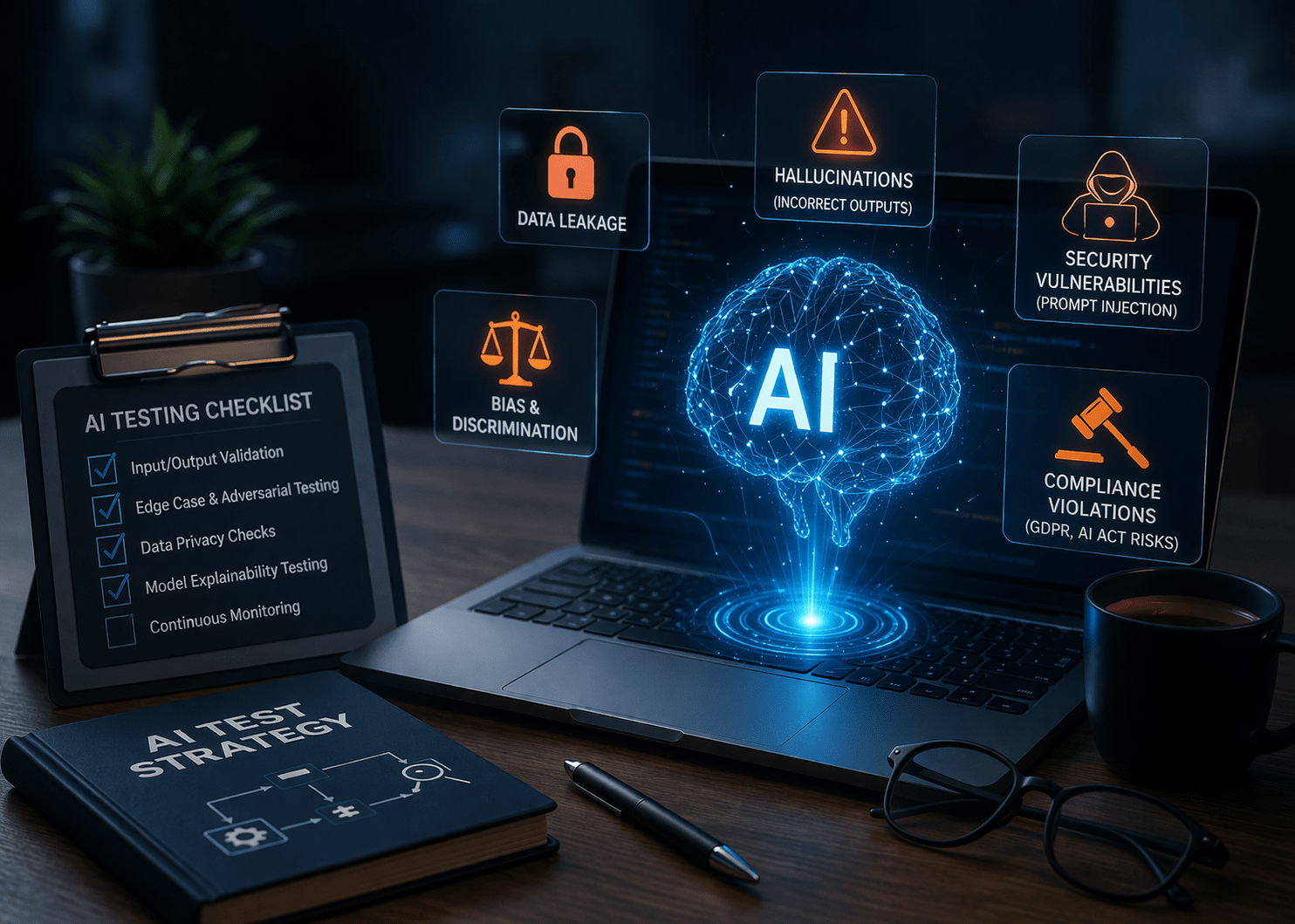
1.Introduction Artificial Intelligence is quickly becoming a key part of modern products. From chatbots and recommendation engines to automated workflows, companies are using AI to improve efficiency and user experience. However, while the adoption of AI is increasing rapidly, many organisations are not paying enough attention to one critical aspect — testing. Unlike traditional software,…
-
The Future of QA in E-commerce: Ensuring Seamless Omnichannel Experiences

1. Introduction The e-commerce landscape has transformed dramatically in recent years. Customers no longer interact with a single platform; instead, they expect seamless, personalized, and consistent experiences across websites, mobile apps, social media marketplaces, voice assistants, and in-store systems. This growing complexity has elevated the role of Quality Assurance (QA) from simple bug detection to…
-
Ensuring Compliance and Security in Healthcare App Testing
Healthcare is moving rapidly into the digital era. From telemedicine platforms to electronic health records (EHRs) and wearable integrations, software is at the heart of modern patient care. But with opportunity comes risk: breaches, downtime, or compliance failures can directly impact patient safety and trust. This is why healthcare app testing must focus on two…
-
Testing Challenges in Fintech and Banking Platforms — And How to Solve Them
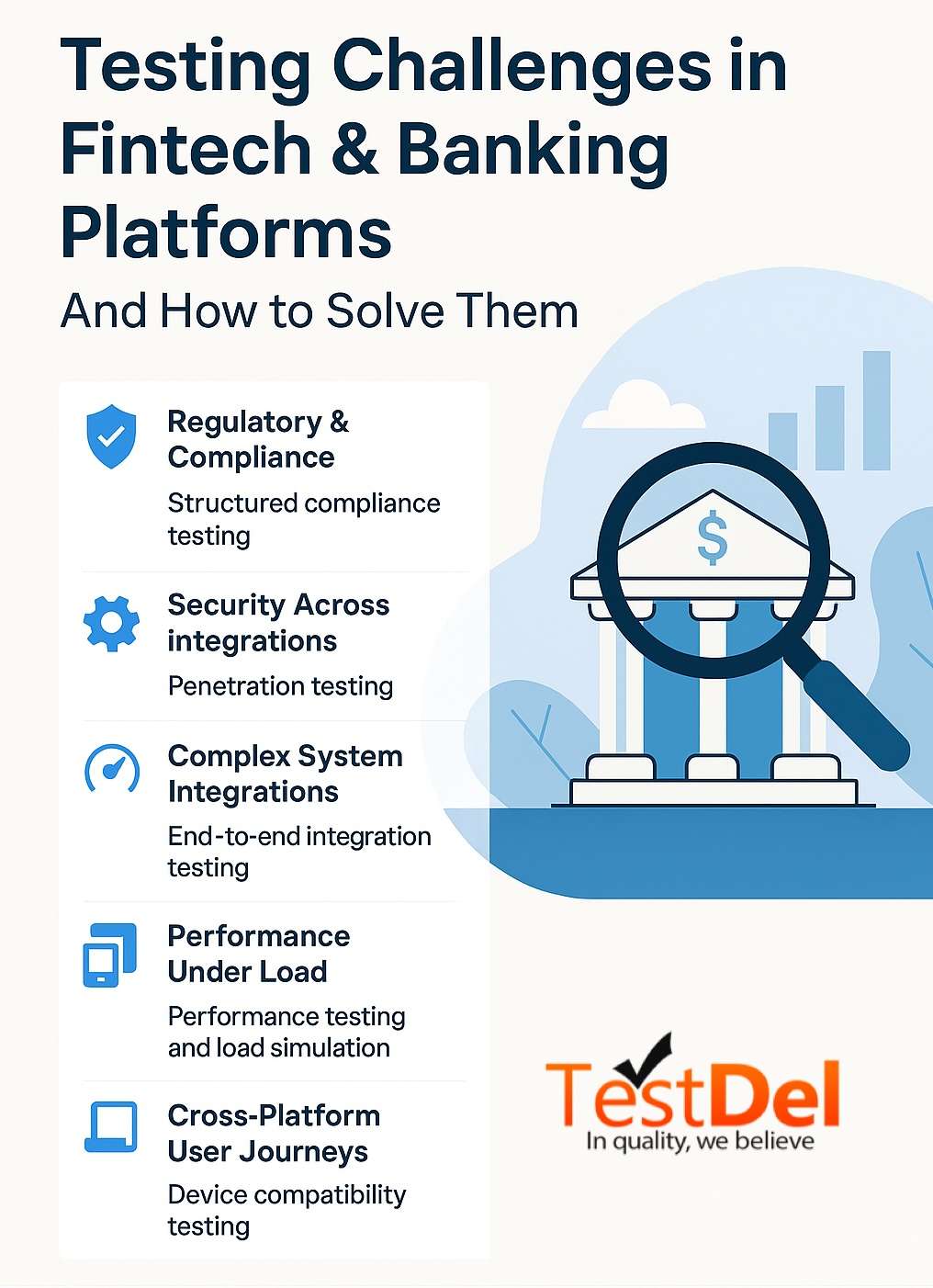
1. Introduction The fintech and banking industries are evolving faster than ever, with customers demanding instant payments, secure digital banking, and seamless financial services. While these innovations are reshaping the sector, they also create unique software testing challenges. From regulatory compliance to real-time transaction validation, fintech testing challenges require a strategic, structured approach to guarantee…
-
Shift-Left Performance Testing: How to Catch Bottlenecks Early

1. Introduction In 2025, enterprises can’t afford to discover performance issues at the end of the development lifecycle. With rapid digital transformation, cloud-native architectures, and the growing reliance on AI-driven applications, performance failures can directly impact customer experience, revenue, and brand reputation. Traditional performance testing approaches—executed late in the software delivery cycle—are no longer enough.…
-
Chaos Engineering & Resilience Testing – Preparing for the Unexpected
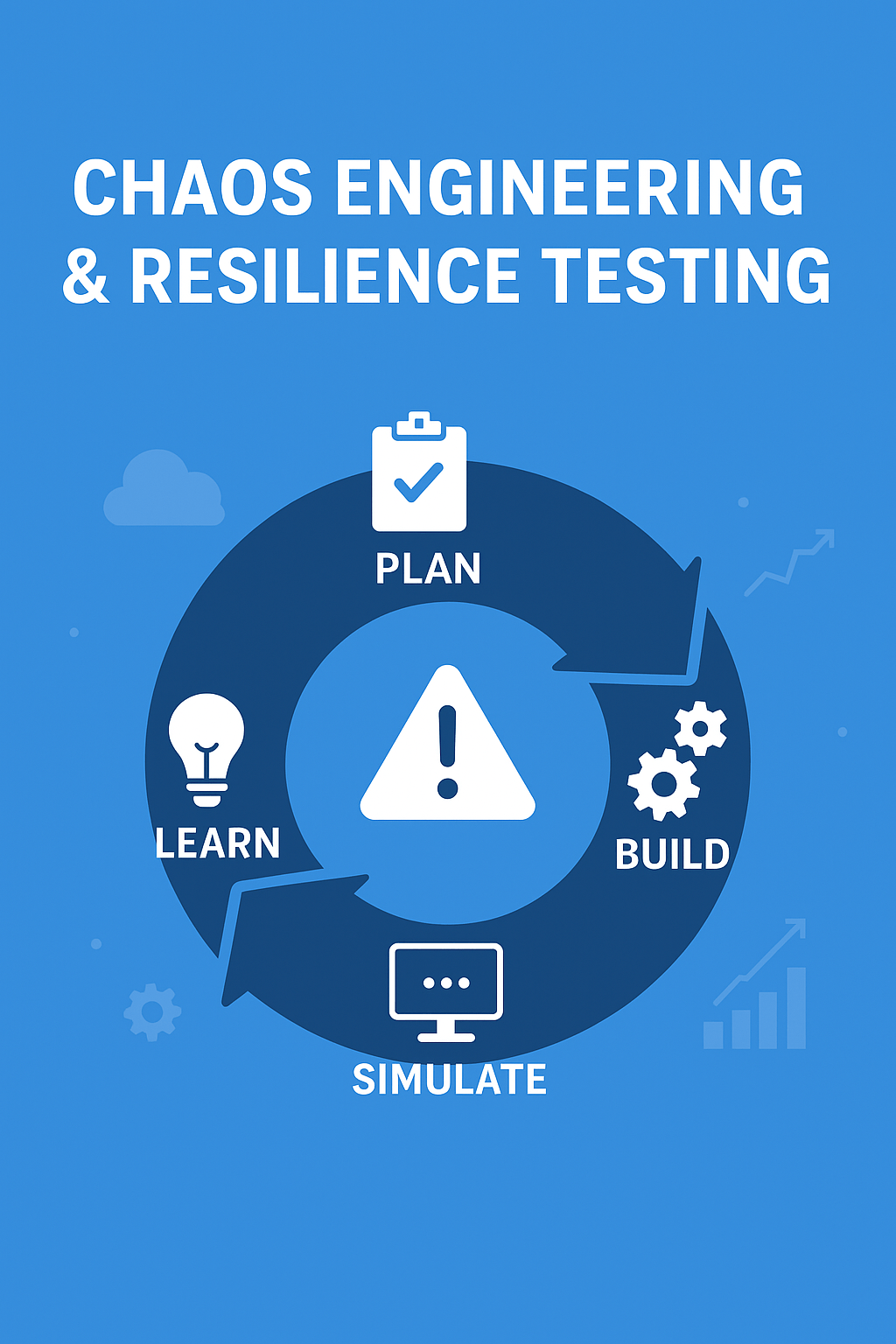
In 2025, digital systems have become more complex than ever—rooted in cloud-native platforms, microservices, and hybrid environments. In such an interconnected world, disruptions aren’t a matter of if but when. Downtime costs millions, impacts customer trust, and slows innovation. That’s why Chaos Engineering and Resilience Testing are no longer niche practices—they are essential strategies to…